Sir Thomas More (2025) /
It was in 2013 that I first encountered the Sir Thomas More monologue, attributed to William Shakespeare. Deeply moved by its words, I began working on it for an acting audition. In the years that followed, I found myself revisiting it from time to time as a personal acting exploration. Although I never performed it publicly or developed it into a finished piece, the speech stayed with me, and I often thought that one day I might do something with it.
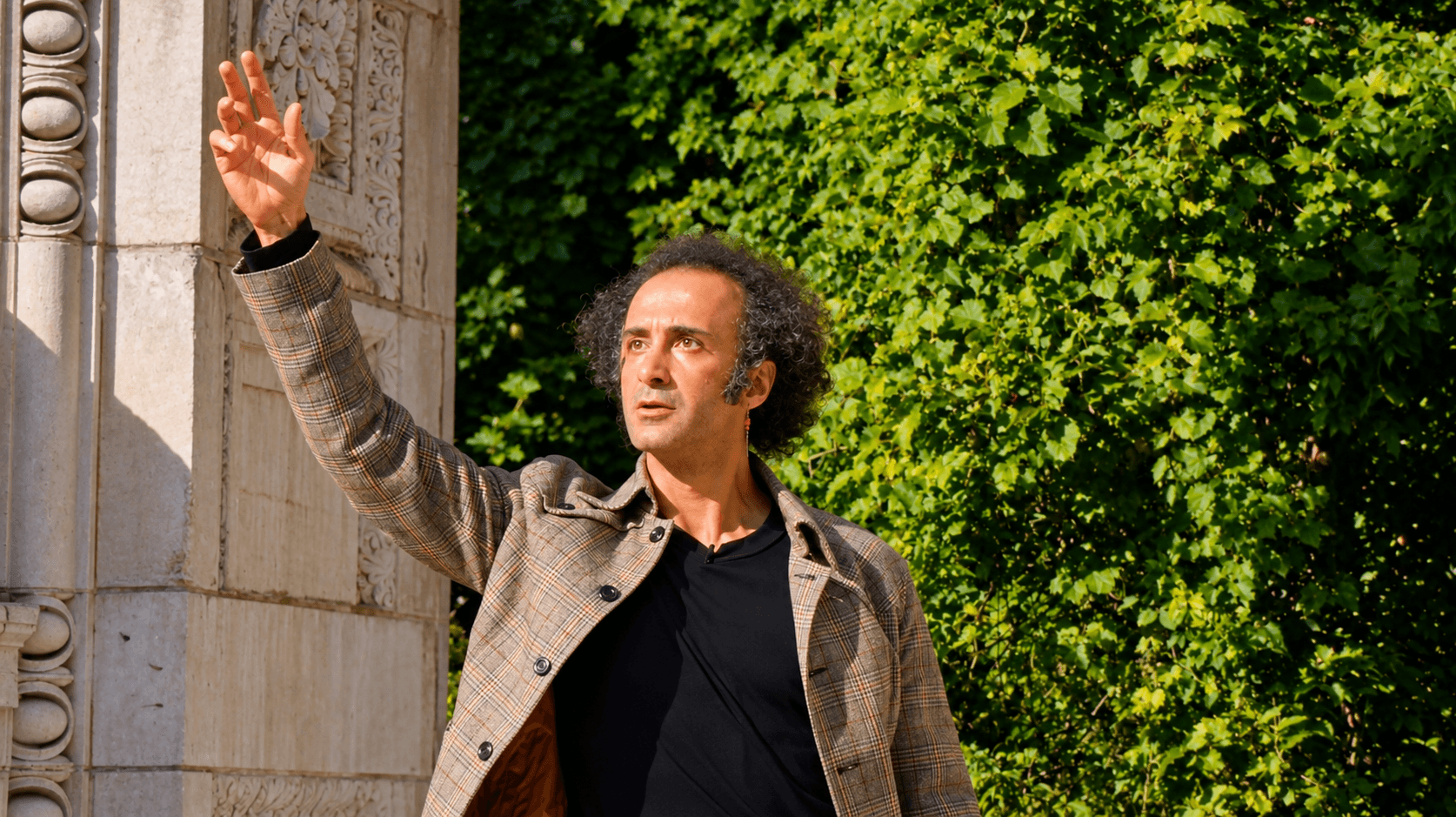
Then, in 2025, its themes became increasingly relevant to the world around me and to my own experience as an immigrant. This prompted me to return to the monologue and finally bring it to life through a short video, which you can find at the bottom of this page.
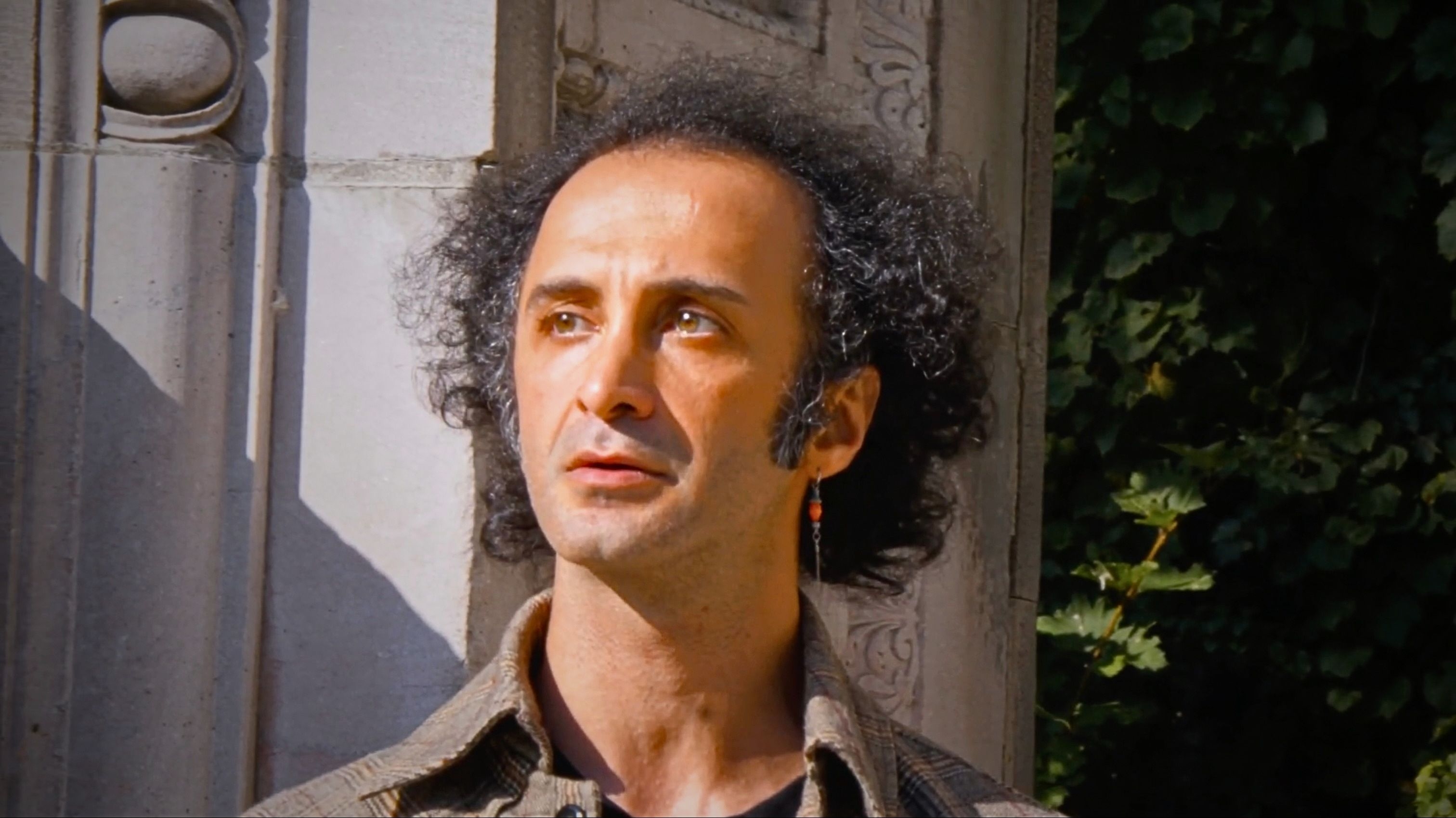
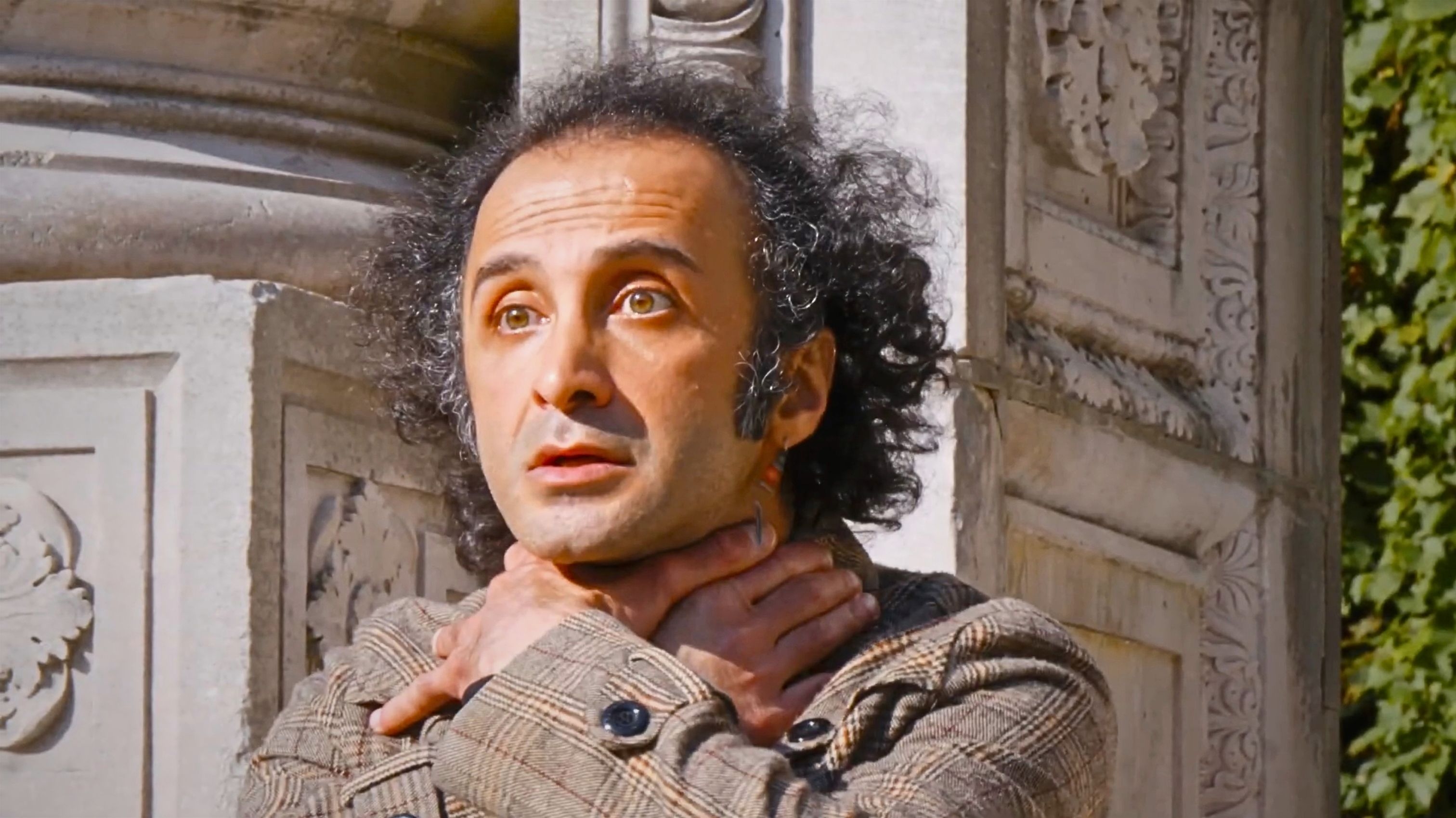
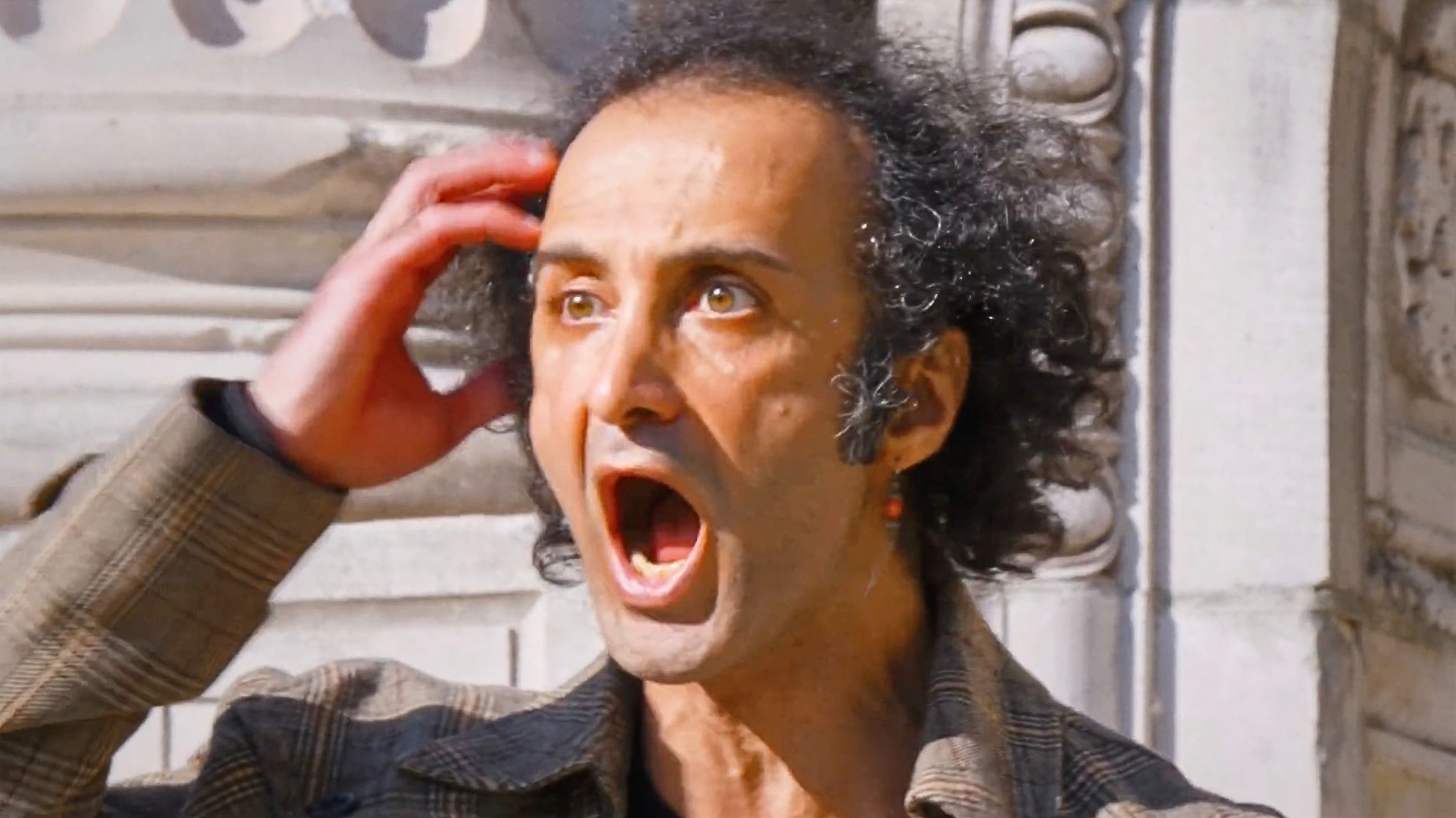
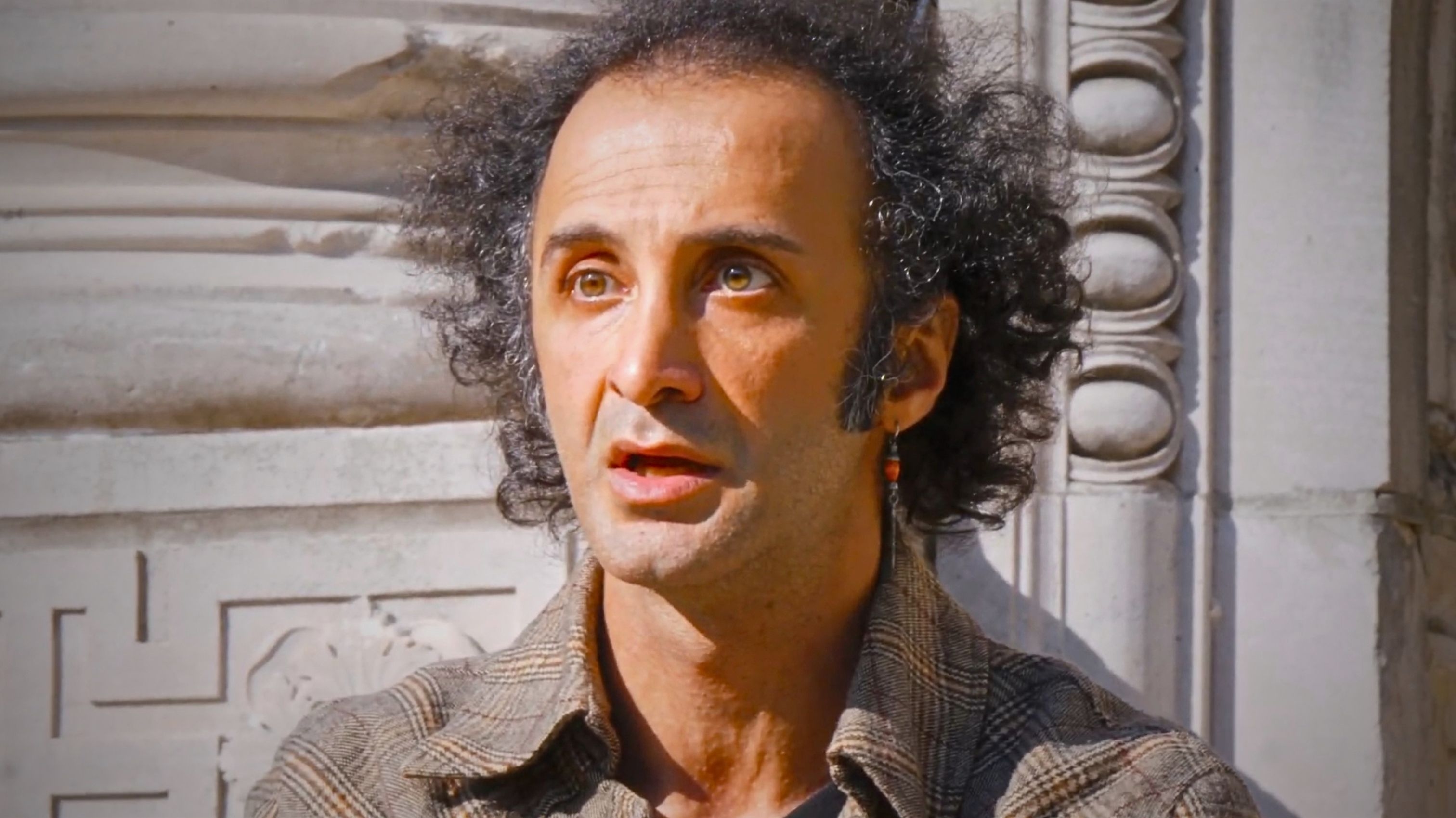
The play Sir Thomas More was never published or performed in its time—perhaps for being too true to be tolerated. The original manuscript of the speech was very likely written by William Shakespeare—around 80 years after the real incident.
On May 1, 1517—today known as Evil May Day—riots broke out in London in response to an influx of immigrant workers. Now hundreds of years later, in 2025, the same and even harsher cycle continues in the U.S, U.K, Iran, Germany, Sudan, and many other parts of the world.
Millions of immigrants still face racism, discrimination, injustice, rejection, and many other forms of harassment—not only from states but also from citizens—driven by the dominant nationalist belief that a certain piece of land belongs to a particular group of people and that others must leave. The names change; the wound stays the same.
I long for the day we’ll see that the Earth belongs to no one—and to everyone. That we are one nation, beyond religion, flag, or border and share the resources of Mother Earth instead of hoarding or using them as weapons to suppress one another. This might seem like Utopia—the word originally coined by Thomas More for the title of his 1516 book Utopia. Nevertheless, I prefer to dream of a peaceful utopia—or “no place,” from the Greek words ou (“not, no”) and topos (“place”)—rather than advocate the easy-to-create notions of war and violence.
About Sir Thomas More
Sir Thomas More (1478–1535) was an English lawyer, judge, social philosopher, author, statesman, theologian, and Renaissance humanist. He served King Henry VIII as Lord Chancellor from October 1529 to May 1532.
More was executed by beheading on July 6, 1535, after refusing to acknowledge Henry VIII as the Supreme Head of the Church of England and rejecting the Oath of Supremacy.
As he climbed the steps to the scaffold, he reportedly said to an official:
"I pray you, master Lieutenant, see me safe up; and for my coming down, let me shift for myself."
On the scaffold, he declared:
"I die the king's good servant, and God's first."
But God's first.

CREDITS
Writer: William Shakespeare
Director & Performer: Alireza Keymanesh
DOP: Mukhallad Nezar Alqadaan
Special Thanks
School of the Arts, Media, Performance & Design, York University, and Wm. Michael S. Irwin for their generous equipment support on this project.
Interested in collaborating ? Let’s connect.