A History of Silencing Dance (2021-2023) /
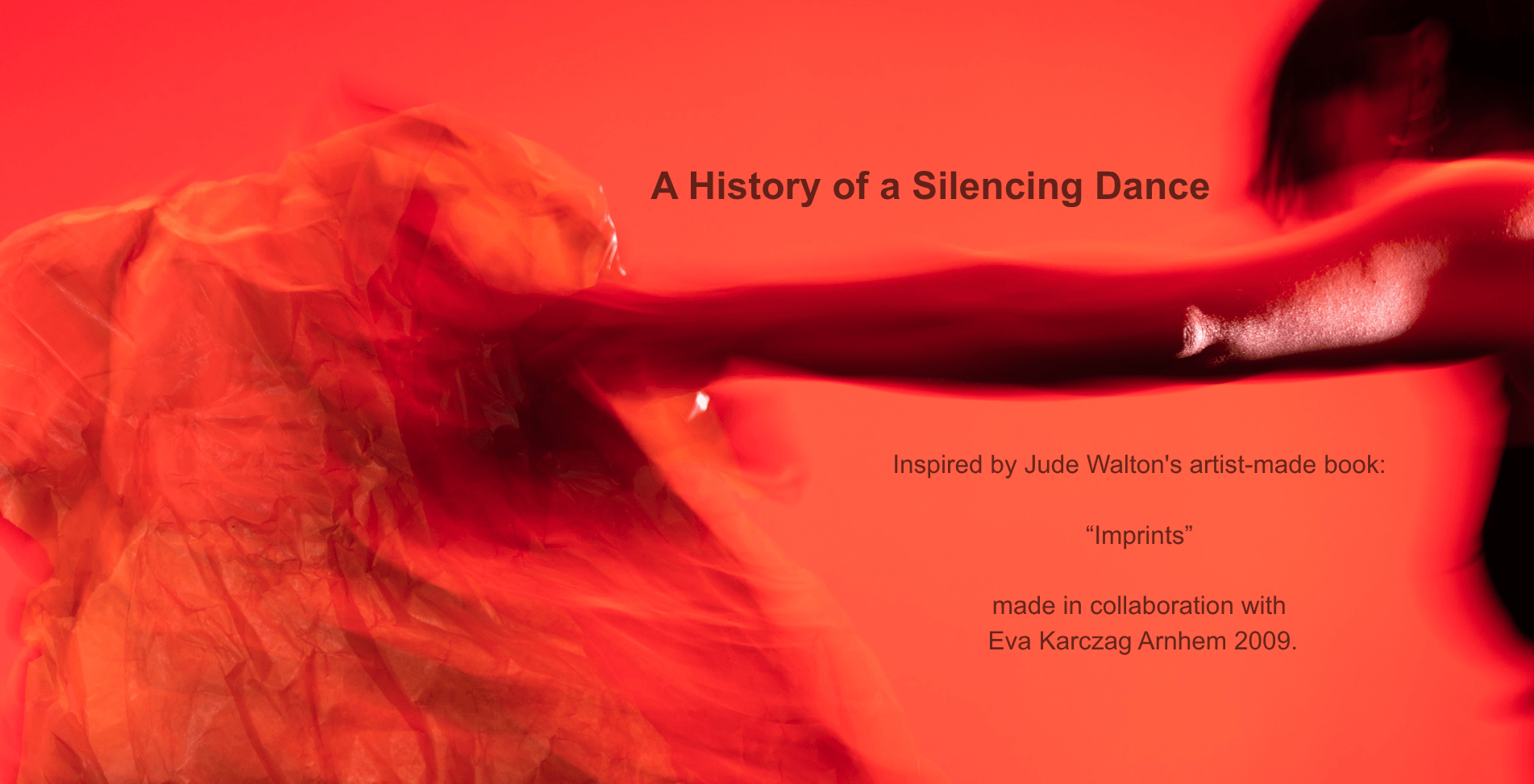
A History of Silencing Dance is a multimedia dance performance/installation by Alireza Keymanesh highlighting excerpts of external historical suppressions (social, political, religious and etcetera) on the dancers' bodies, with a particular focus on Iran. This 50-minute live performance, with the funding contribution of York University, encompasses visual art, sound, music, props, and multi-channel live projection and it is designed to be performed in normal black box venues or in galleries that can be completely dimmed and in a walk-by format.
Atrist Statement
"Dance is an artistic display of a nation’s spirit, culture, and social fabric. All cultures throughout human history have carried a form of dance. Yet in Iran, dance was met with severe, tragic disruptions—culminating in the Authoritarian Islamic Revolution of 1979, which dismantled an entire flourishing era of Iranian dance and ballet.
Under 'cultural revolution' doctrines, dance was criminalized as immoral and corrupt. In recent years, underground contemporary dancers have faced even more aggressive crackdowns: arrests, interrogations, teaching bans, fabricated smears, travel restrictions, and forced pledges to abandon their art.
Because this quiet struggle remains largely invisible to the outside world, I felt a deep responsibility to respond. I sought to make a piece that wouldn’t end when the stage went dark—a work with a lingering tail, like a shooting star or a kite; a dance endowed with a soul capable of stepping outside the body to remain visible for years to come.
A History of Silencing Dance is a direct act of resistance against any regime, dogma, law, or authority attempting to eradicate the natural human impulse to move. Above all, both the performance and the book it creates are an homage to the courage of everyone who has kept the art of dance alive in Iran through decades of suppression"
— Alireza Keymanesh
Structure
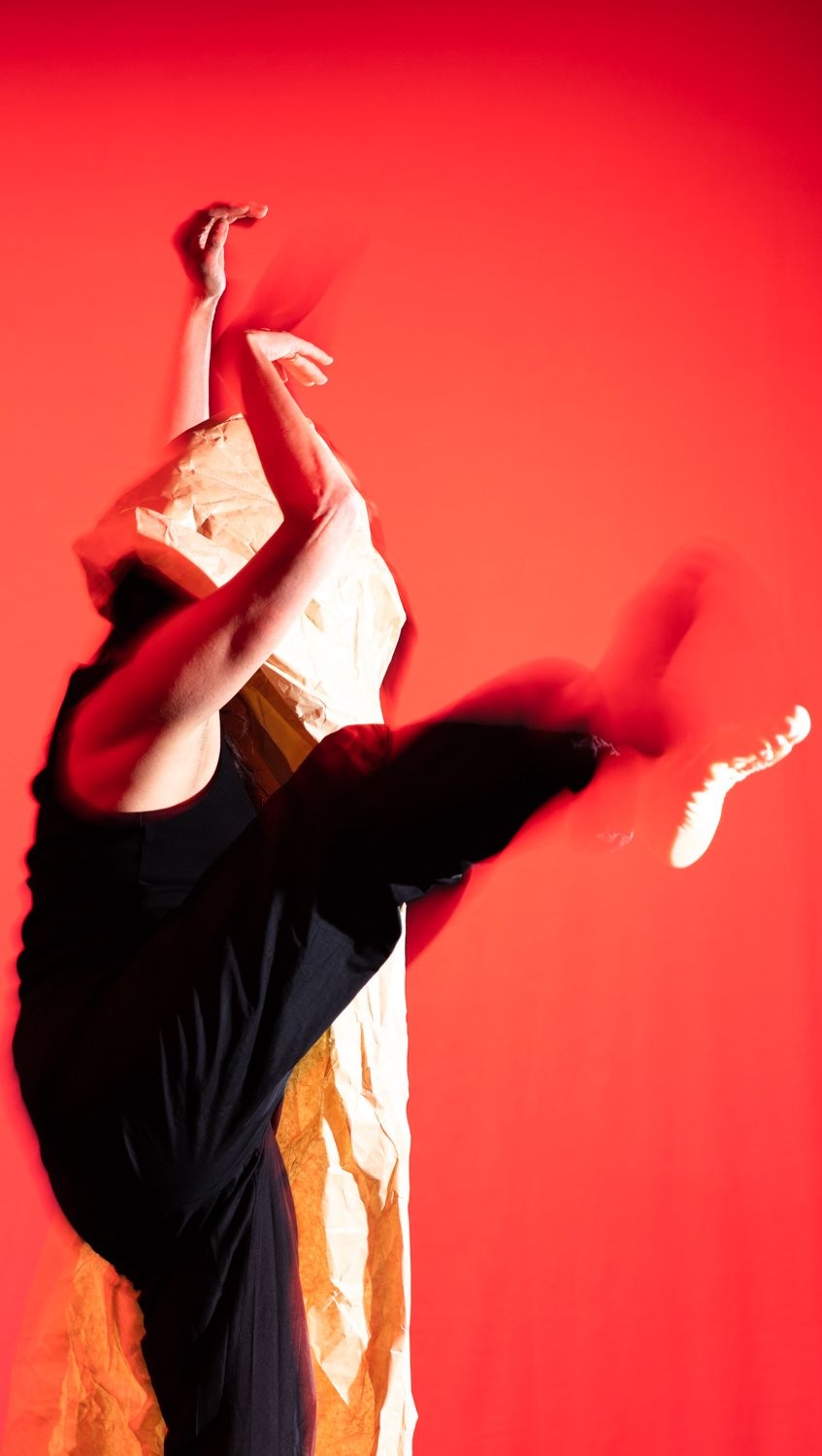
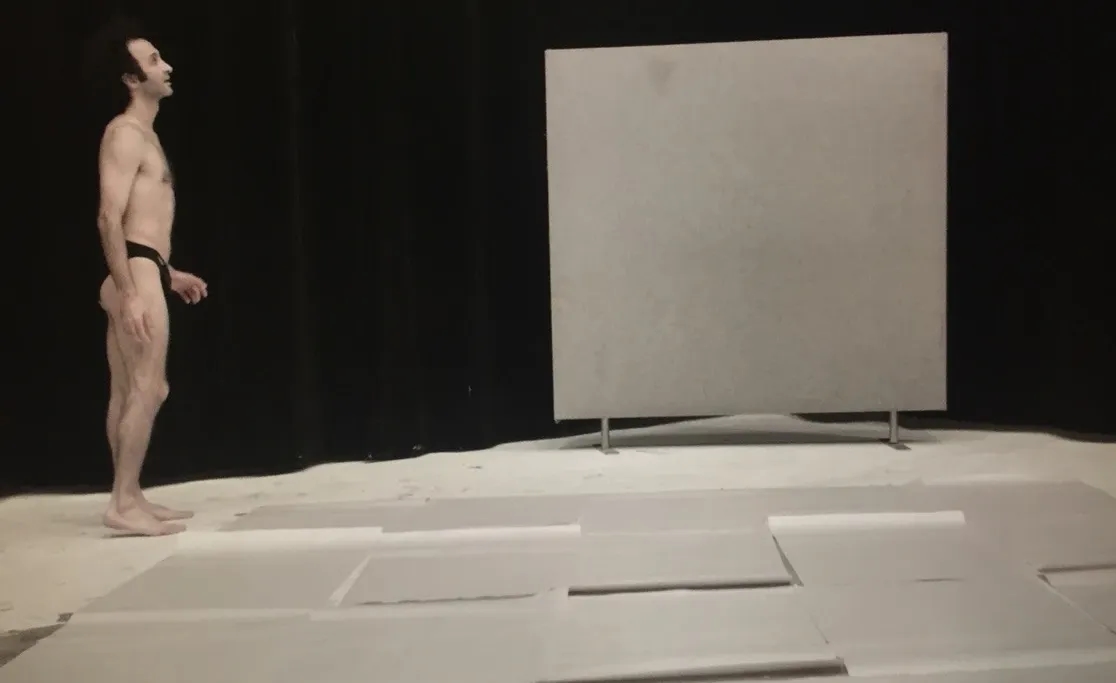
Large rolls of paper cover the entire space. Dancers in paper costumes dance with these rolls, making imprints of their bodies by wrinkling and wrapping themselves within them, accompanied by the live sound of paper and violin.
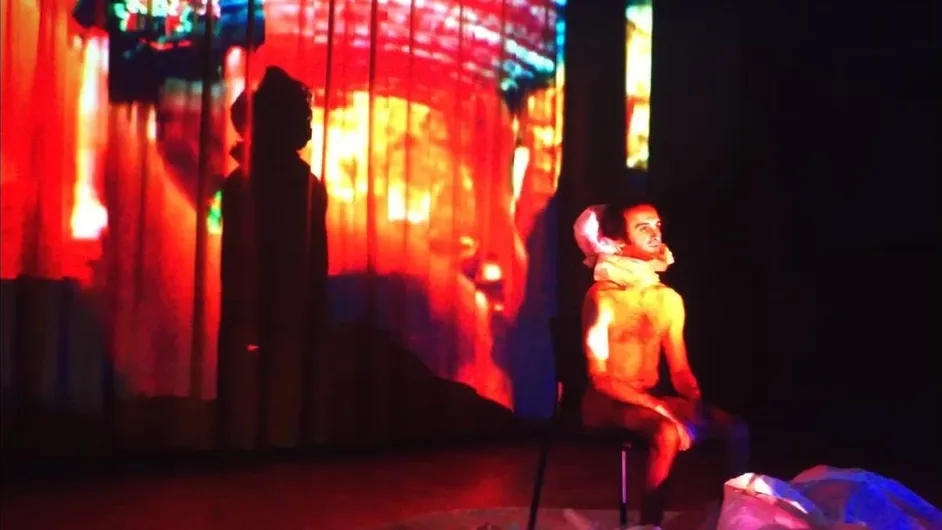
Two projection screens frame the space: one captures the dancers' bodies in real-time mixed with rehearsal footage, while the other shows archival dance footage from Iran alongside narration illustrating how dance has been suppressed.
As dancers wrinkle the paper and move toward the center, a visual artist cuts the wrinkled papers to the size of a book, labeling and numbering the pages. The paper fence tightens until the dancers' bodies are completely covered and unable to dance, while the videos turn into white noise.
Those cutting the book paginate it on the spot and insert it between covers titled “A History of Silencing Dance” by Alireza Keymanesh. The book is placed on a stand to be exhibited and sold as an artist book—made from the wrinkled paper danced on during the performance.